

Tips for a Healthy Lawn
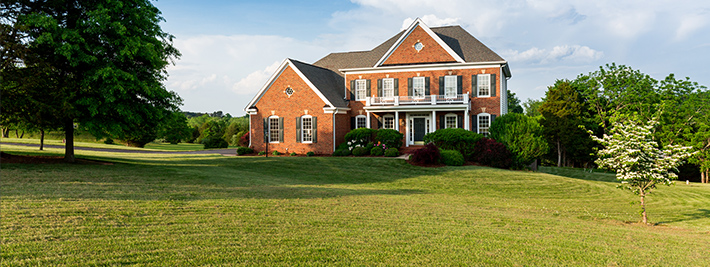
Grasses are asked to survive in particularly competitive conditions. Most evolved on ranges and prairies, and now they are grown under more stressful conditions, including poor urban soils. They have to compete with other weeds, shrubs, and even large trees for water and nutrients. And one of their natural sources of nitrogen, grass clippings, is often removed. Even if you are mulching your clippings, it may be advisable to apply some additional fertilizer. Here are four tips from the pros to keep your grass healthy, looking good, and ready to help protect the environment.
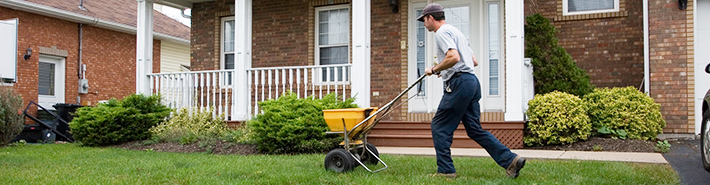
Use the right kind of fertilizer
You’ll find lots of choices of fertilizers to use on your lawn. Look for ones that contain Slow Release Nitrogen. You should be able to find this on the label on the bag, in the section that reads “Guaranteed Minimum Analysis.” As a general rule, the more Slow Release, the better. This helps feed the grass evenly, minimizes growth flushes that can make mowing difficult, and also minimizes the potential for nutrients to leave your lawn prematurely.
Apply fertilizer at the right rate
Winter is the optimal time to cut back overgrown shrubs, prune perennial hedges, remove damaged tree branches and trim ornamental grasses. Shrubs and hedges will leaf out more quickly in the spring if you do hard pruning this time of year. Tree branches damaged by winter weather like ice storms are more prone to insect and disease infestations, but proper care can help trees repair themselves. Use of a pruning saw is recommended. To help prevent damage to trees from heavy snow in the winter, brush snow from weighted down branches instead of shaking. Perennial grasses should be cut at the ground. Homeowners can make this task easier by using a hedge trimmer.
Fertilize at the right time
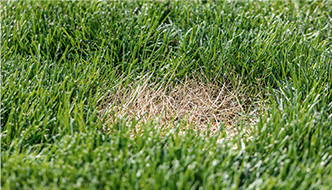
If you live in the northern U.S., the most important times to fertilize are generally spring and fall. Grasses in the north grow more slowly in the heat of mid summer. They may still need some fertilizer, but not as much. Slow-release fertilizers help provide slow but steady nutrition through the summer. If you live in the south and have Bermuda grass, Zoysia grass, St. Augustine grass, or other “warm season” grasses, the most important times to fertilize are from late spring (when your lawn starts greening up) through mid-summer. This is when your grass is growing its fastest, and needs fertilizer the most. Many fertilizers are formulated for certain regions and certain times of the year.
Apply fertilizer in the right place
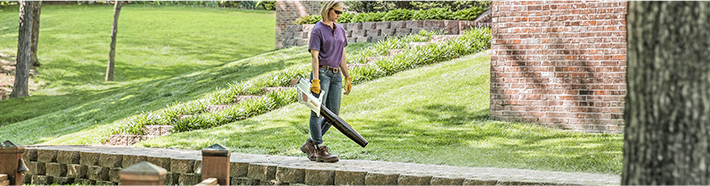
Keep as much of the fertilizer on your lawn as possible. Fertilizer usually ends up on driveways, walks, sidewalks, and even streets. Sweep this fertilizer up and put it back in the bag, or sweep or blow it back onto your lawn. Fertilizer that stays on hard surfaces can be washed into streams or other water bodies, or storm drains that lead to the same places. Protect the water by keeping fertilizer where it belongs. If your fertilizer does not contain herbicides or insecticides, it’s ok to fertilize your shrubs or other landscape plants as you fertilize your lawn.
Finally, let science be your guide. Consider getting a soil test to help identify the nutrient status of your soil, especially if your lawn seems unhealthy. A landscape professional or county extension agent can conduct this test for you and can also make recommendations on how to ensure the maximum health of your lawn. Properly cared for, your lawn will add value to your home, the foundation for enjoyment and relaxation, and help protect the environment.
About the Author
LoveYourLandscape.org is the official website of the National Association of Landscape Professionals (NALP). The site features comprehensive advice from professionals about topics such as lawn care, plant and tree selection, backyard living, sustainability, and working with professionals for the best outcomes on projects.

