

Tips on Pruning Trees, Plants and More
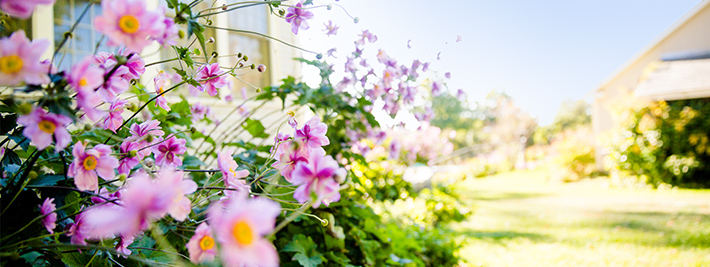
Every plant should be treated differently. Whether it’s flowers, trees or potted plants, they all need your help to remain truly healthy. Learn how to prune your vegetation based on what it needs.
How To Prune Young Trees
How To Prune Mature Trees
Oak, Birch and Other Trees
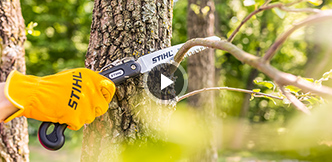
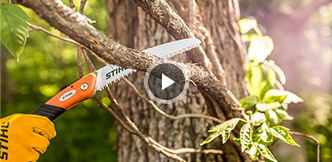
Many trees, like oak trees, can be pruned during mid to late winter, while the best time to prune birch trees is late summer or early fall to avoid sap flows. In both cases, the goal is to remove branches that are either dead or damaged, or branches preventing the tree to grow and get proper sunlight. Young trees can be taken care of with a hand pruning saw while mature trees will require the use of a pole pruner or a chainsaw. When it comes to trimming and shaping ornamental trees, you can turn to battery-powered garden shears.
Apple and Other Fruit Trees
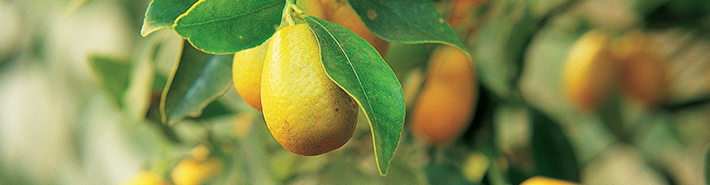
The best time to prune apple trees is late winter or early spring, while the tree is dormant and before it starts blooming. Cut off any dead, diseased or damaged wood and downward-growing branches. Make sure you use the right tools, like loppers or hand pruning saws to create precise and proper pruning cuts. Clean up any suckers, sprouts and other undesirable branches growing on the trunk or main branches. In addition, remove branches that are crossing paths with one another. Thinning out your fruit tree will help it get enough space in between branches to take up sunlight and be able to bear healthy fruits. To prevent branches from snapping under the weight of the fruits, prune back from the tip of the branch.
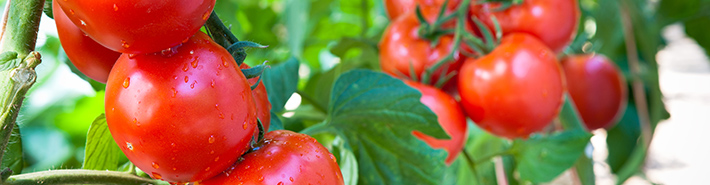
Pruning Tomatoes
If you choose to prune your tomato plants, it is best to begin when they reach about one to two feet in height. If the plant is smaller than this, it may not be able to recover from the shock of pruning.
Between the main stem and offshoot branches, there will be small leaves that grow where the two meet. Typically called “suckers,” these small branches should be pruned using a sharp, clean pair of STIHL hand pruners.
The best time to prune tomato plants is early in the morning when the weather is dry.
Helpful tip: Looking to increase your tomato yield? Planting pruned tomato suckers can help create more tomato plants quicker than starting from seed.
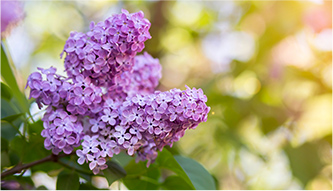
Lilacs
Pruning lilac bushes should be done yearly to promote healthy growth of the plant. It allows it to be properly spaced and to produce better flowers. The best time to prune is after the flowering has ended. Using hand pruners, cut the entire stem. This will help prevent seeding and promote more future blooms. Just like with any other plant, also cut suckers and other undesirable stems, and trim branches before they get too tall.
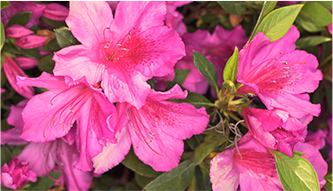
Azaleas
Azaleas can be pruned after they bloom, in the spring or early summer. Using hand pruners or loppers, cut excessive branches and only prune the plant enough to allow sunlight and air to reach the center of the shrub. Azaleas only require minimal trimming, unless they grow too big for the area where they are planted and need to be trimmed down.
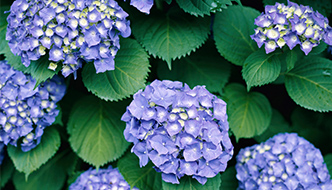
Hydrangeas
It is best to prune hydrangeas in late summer or early fall, just as the flowers start fading, but when or whether you should prune your hydrangeas depends on what type you have, and whether or not they bloom on old wood or new wood. A good rule to keep in mind is that hydrangeas do not need to be pruned unless the shrub has grown too large or needs to be shaped up.
Roses
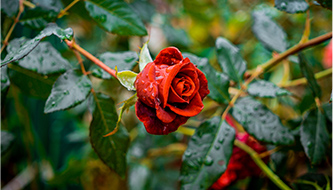
Using pruning shears, begin pruning from the base of the plant and cut to allow the center of the plant to receive light and air circulation. As with other plants, you’ll want to remove damaged branches and other suckers from your roses. The best time to prune roses depends on the variety you own, but most rose pruning is done in the spring. However, you should avoid pruning knockout roses in the late summer and early fall because that would encourage late growth and would not give the plant enough time to harden off before winter.
Best Practices
The purpose of pruning is to help your trees and plants remain healthy. Keep cutting tools sharp in order to make clean cuts. Between pruning limbs, clean your blades with a ten percent bleach solution or other household disinfectant to avoid transmitting diseases to the rest of your plants/trees. Always wear the proper protective apparel when using pruning tools, such as gloves and glasses. When in doubt, know that STIHL experts have how-to guides to help you learn how to prune your plants and trees.


