

How to Strip Loose Paint
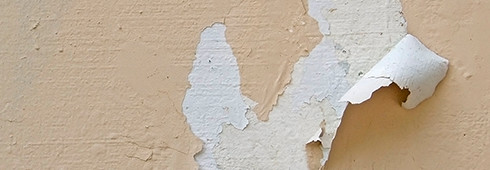
If you're planning a painting project, it's important to understand that proper preparation is an
essential step in the painting process. A new coat of paint is only as stable as the surface
underneath. Peeling or flaking paint should always be removed prior to applying a fresh coat of paint.
Pressure washing is one way to remove loose paint from wood, metal, concrete, and other exterior
surfaces. Because of the high-pressure levels, it can be very efficient and can drastically cut the time
to complete this task. Selecting a pressure washer with a range of 2,000 psi to 4,000 psi will give you
the most effective power for removing peeling paint.
With pressure washers, as with all power equipment, always wear protective goggles and closed-toe
shoes. Prepare the area around the structure you are working on. If necessary, cover all outdoor
fixtures and make sure all windows and doors are shut.
It's very important that you use the correct nozzle or you can quickly damage the surface. The yellow
15-degree nozzle is the best choice for this task. Hold the gun and wand firmly at an angle, while
maintaining a distance of approximately 12 to 18 inches from the surface. This will allow the spray to
get under the layers of paint without damaging the surface.
The key is to work in sections and keep the nozzle moving at all times. Spraying in a downward and
sweeping motion will direct the paint chips away from the surface. If stripping paint from a wood
surface, be sure to move the nozzle along the grain of the wood.
It is not necessary to strip all of the paint. Therefore, once the surface has dried completely, you may
need to scrape or lightly sand any loose paint that was not removed with the pressure washer.
Depending on the surface type, you may need to wait for several days before you can begin to
repaint.

